
Uruguay Strengthens Sustainable Wood Construction with Support from FONPLATA, IICA, and MEVIR

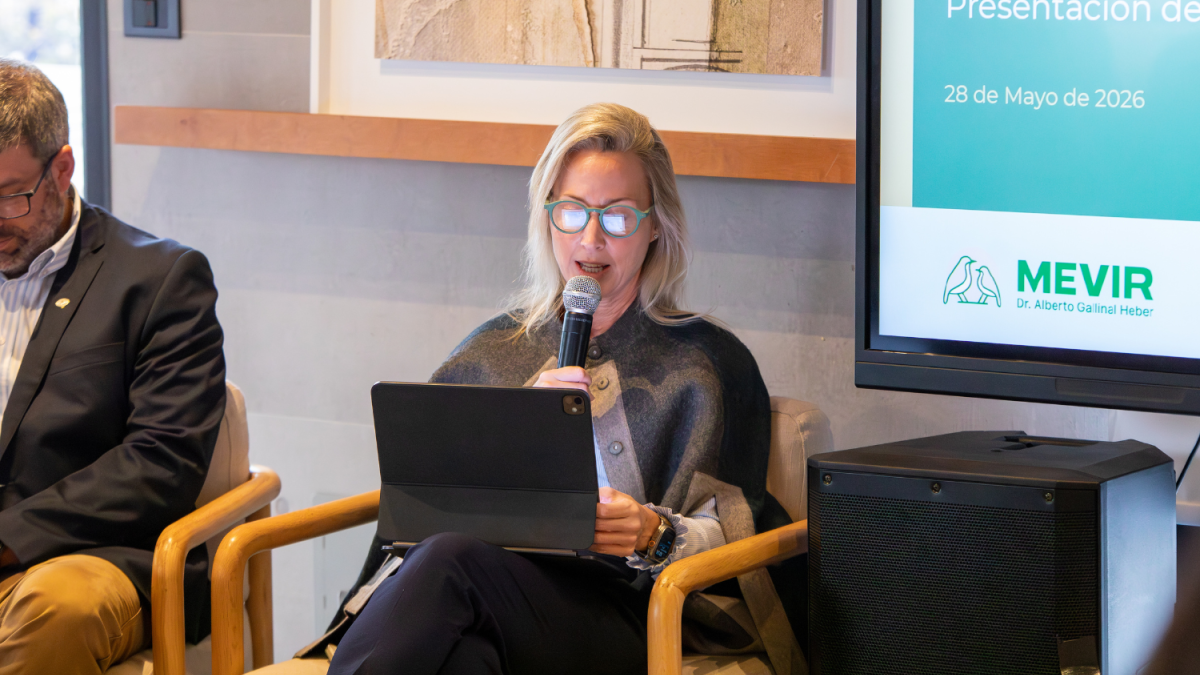
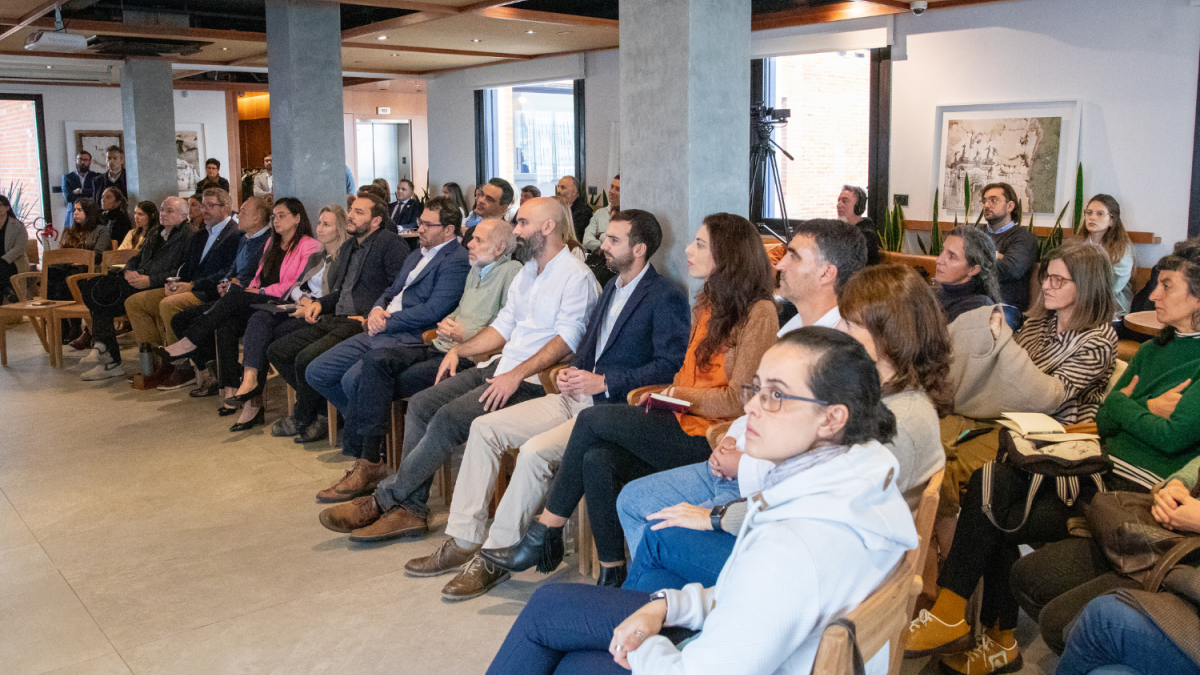
National authorities, international organizations, representatives from the academia, and stakeholders from the forestry and construction sectors gathered in Montevideo for the closing event of the project “Building and Improving the Environment: Uruguayan Wood, Performance Standards, and Carbon Footprint Measurement.” The initiative aims to advance sustainable housing solutions by promoting the use of domestically sourced wood.
Implemented under a non-reimbursable technical cooperation promoted by FONPLATA in partnership with the Inter-American Institute for Cooperation on Agriculture (IICA) and the Movement for the Eradication of Unhealthy Rural Housing (MEVIR), the project focused on developing tools and capacities to expand wood construction in Uruguay.
Building on previous efforts to standardize the sector, the initiative sought to generate technical evidence that supports construction systems capable of reducing the housing deficit while contributing to national sustainability and climate action goals.
During the event, the main results achieved were presented, including the incorporation of Building Information Modeling (BIM) for wood construction, the development of an environmental carbon footprint calculator, and the creation of national performance standards for pine and eucalyptus wood used in construction.
These tools will strengthen planning, evaluation, and decision-making for future housing projects, and help create the conditions needed to expand the use of wood as a sustainable building material.
The event opened with remarks from Rodrigo Saldías, IICA’s representative in Uruguay, who emphasized the importance of institutional collaboration to promote innovative solutions that integrate environmental sustainability, productive development, and access to housing.
FONPLATA’s Vice President of Operations and Countries, Eliana Dam, highlighted that the technical cooperation strengthened capacities and knowledge that extend beyond the project. She underscored three strategic outcomes: the creation of an innovative tool to measure the carbon footprint of different construction systems; the development of technical standards for the use of domestically produced wood; and the implementation of pilot projects to compare the environmental, economic, and construction performance of different housing solutions.
As part of the project, two pilot homes were built using Cross-Laminated Timber (CLT) and light-frame systems to compare their performance with traditional construction and provide objective insights for future public policy decisions.
Matías Carámbula, Undersecretary of the Ministry of Livestock, Agriculture, and Fisheries, highlighted the initiative’s contribution to strengthening national capacities, consolidating the forestry sector, and generating applied knowledge that will support the continued incorporation of wood into construction.
Gastón Martínez, Director General of Forestry at the same ministry and Chair of the Honorary Timber Commission, also stressed the importance of these results for promoting the use of Uruguayan timber in sustainable housing solutions.
This cooperation aligns with Uruguay’s ongoing efforts to expand the supply of social housing, promote the use of domestically sourced materials, and advance construction models with a lower environmental impact.
Beyond its immediate results, the project established institutional capacities, assessment tools, and technical evidence that can inform future public policies and be replicated in other contexts. In doing so, it positions wood construction as a viable alternative that simultaneously supports productive development, access to housing, and climate action.
National authorities, international organizations, representatives from the academia, and stakeholders from the forestry and construction sectors gathered in Montevideo for the closing event of the project “Building and Improving the Environment: Uruguayan Wood, Performance Standards, and Carbon Footprint Measurement.” The initiative aims to advance sustainable housing solutions by promoting the use of domestically sourced wood.
Implemented under a non-reimbursable technical cooperation promoted by FONPLATA in partnership with the Inter-American Institute for Cooperation on Agriculture (IICA) and the Movement for the Eradication of Unhealthy Rural Housing (MEVIR), the project focused on developing tools and capacities to expand wood construction in Uruguay.
Building on previous efforts to standardize the sector, the initiative sought to generate technical evidence that supports construction systems capable of reducing the housing deficit while contributing to national sustainability and climate action goals.
During the event, the main results achieved were presented, including the incorporation of Building Information Modeling (BIM) for wood construction, the development of an environmental carbon footprint calculator, and the creation of national performance standards for pine and eucalyptus wood used in construction.
These tools will strengthen planning, evaluation, and decision-making for future housing projects, and help create the conditions needed to expand the use of wood as a sustainable building material.
The event opened with remarks from Rodrigo Saldías, IICA’s representative in Uruguay, who emphasized the importance of institutional collaboration to promote innovative solutions that integrate environmental sustainability, productive development, and access to housing.
FONPLATA’s Vice President of Operations and Countries, Eliana Dam, highlighted that the technical cooperation strengthened capacities and knowledge that extend beyond the project. She underscored three strategic outcomes: the creation of an innovative tool to measure the carbon footprint of different construction systems; the development of technical standards for the use of domestically produced wood; and the implementation of pilot projects to compare the environmental, economic, and construction performance of different housing solutions.
As part of the project, two pilot homes were built using Cross-Laminated Timber (CLT) and light-frame systems to compare their performance with traditional construction and provide objective insights for future public policy decisions.
Matías Carámbula, Undersecretary of the Ministry of Livestock, Agriculture, and Fisheries, highlighted the initiative’s contribution to strengthening national capacities, consolidating the forestry sector, and generating applied knowledge that will support the continued incorporation of wood into construction.
Gastón Martínez, Director General of Forestry at the same ministry and Chair of the Honorary Timber Commission, also stressed the importance of these results for promoting the use of Uruguayan timber in sustainable housing solutions.
This cooperation aligns with Uruguay’s ongoing efforts to expand the supply of social housing, promote the use of domestically sourced materials, and advance construction models with a lower environmental impact.
Beyond its immediate results, the project established institutional capacities, assessment tools, and technical evidence that can inform future public policies and be replicated in other contexts. In doing so, it positions wood construction as a viable alternative that simultaneously supports productive development, access to housing, and climate action.
05/28/2026